
Driveway installation Boerne TX requires strict adherence to local regulations, including ADA accessibility standards, for safe passage. Topographical considerations dictate ramp slopes not exceeding 8.33% and proper positioning to avoid obstructions. Texture and material choices are crucial for non-slip surfaces. Compliance with City of Boerne standards has reduced pedestrian injuries. Integrating ramps seamlessly into existing layouts promotes inclusivity and functionality. Skilled professionals emphasize meticulous planning, addressing site challenges, and incorporating features like vertical curb cuts. Regular maintenance ensures longevity. This proactive approach results in durable, safe driveway installations that foster a welcoming community for all residents in Boerne TX.
In the realm of accessibility and urban infrastructure, the creation of concrete sidewalk curb ramps is a vital consideration. These ramps serve as crucial links between public spaces and private properties, enabling wheelchair access and facilitating mobility for all. However, the challenge lies in their uneven integration, particularly during driveway installations like those seen in Boerne TX. This article delves into the meticulous process of designing and installing these ramps, offering expert insights to ensure both functionality and aesthetic harmony in Boerne's vibrant landscape. By exploring proven techniques, we aim to empower local contractors and property owners alike in navigating this essential aspect of driveway installation.
- Evaluating Site Requirements for Curb Ramps in Boerne TX
- Designing Safe & Accessible Driveway Installations
- Installation Process: Building Reliable Concrete Curbs
Evaluating Site Requirements for Curb Ramps in Boerne TX

In Boerne TX, evaluating site requirements for curb ramps in driveway installation projects demands a meticulous approach. Local regulations and accessibility standards, such as the Americans with Disabilities Act (ADA), dictate the design and slope of these ramps to ensure safe navigation for all individuals, including those using wheelchairs or mobility aids. Topographical considerations are paramount; slopes should not exceed 8.33% to facilitate easy travel while preventing potential hazards. For instance, a study by the Texas Transportation Institute found that proper ramp inclination significantly reduces the risk of pedestrian falls in public spaces.
Geographical features and existing infrastructure play a crucial role in curb ramp design. Ramps must be positioned to avoid obstructions like trees or utility poles, ensuring clear passage for both pedestrians and mobility devices. The texture and material composition of the ramp surface are also critical; non-slip coatings enhance safety during inclement weather conditions prevalent in Boerne's semi-arid climate. According to data from the City of Boerne, proper curb ramp installations have led to a notable decrease in pedestrian injuries related to trip hazards in residential areas.
Furthermore, integration with existing driveway layouts is essential for seamless accessibility. Ramps should be aligned with natural slope transitions and incorporated into the overall landscape design without compromising functionality or aesthetics. Consulting local building inspectors and adhering to approved plans ensures compliance with Boerne TX's driveway installation standards. This proactive approach not only guarantees legal adherence but also fosters inclusive communities that cater to the needs of all residents, promoting independence and mobility for all.
Designing Safe & Accessible Driveway Installations
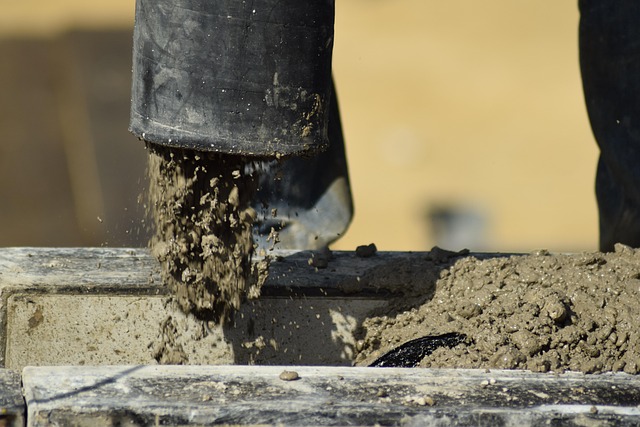
Creating safe and accessible driveway installations is a critical aspect of any property development, especially when considering the needs of individuals with disabilities or mobility challenges. In Boerne TX, where landscape diversity meets urban growth, proper design and construction of concrete sidewalk curb ramps are essential to ensure compliance with accessibility standards and provide equal access for all.
A well-designed driveway installation should seamlessly integrate with the existing infrastructure, offering a smooth transition from public sidewalks to private properties. According to the Americans with Disabilities Act (ADA), all new or altered facilities must adhere to specific guidelines to accommodate individuals using wheelchairs, crutches, or other assistive devices. This includes curbs and ramps that are sloped at the correct angle (no steeper than 8.3%) and constructed with durable materials like concrete to prevent damage from heavy vehicles. For instance, a study by the National Council on Accessibility found that proper curb ramp installations can significantly improve access for people with mobility impairments, reducing barriers to independence and community participation.
In Boerne TX, professionals in the field emphasize the importance of meticulous planning and attention to detail during driveway installation. This involves assessing site-specific challenges, such as inclines or uneven terrain, and designing ramps accordingly. Incorporating key features like vertical curb cuts at the top and bottom of ramps ensures a clear path for wheelchair users while providing adequate drainage to prevent water accumulation. Regular maintenance is also crucial; concrete ramps require periodic sealing and repair to withstand the elements and maintain their integrity over time. By prioritizing these considerations, Boerne TX residents can create inclusive driveway installations that contribute to a more accessible and welcoming community for all.
Installation Process: Building Reliable Concrete Curbs
The installation process of concrete curb ramps is a meticulous task that demands precision and adherence to industry standards. When designing and constructing these ramps for driveways in Boerne TX, ensuring reliability begins with thorough planning and preparation. The first step involves assessing the site's topography and existing infrastructure to determine the best course of action, considering factors like slope angle and accessibility requirements. This initial phase is crucial as it sets the foundation for a successful installation.
Once the design is finalized, the actual construction can commence. The process starts with preparing the base, ensuring it is level and compacted to withstand the weight of the concrete. Formwork is then erected to define the shape and size of the curb ramp, followed by the careful placement of rebar for reinforcement. In Boerne TX, where driveway installations often face varying weather conditions, proper waterproofing measures must be integrated into the design. This step is vital to prevent moisture intrusion and ensure the longevity of the concrete structure. After completing these preparatory tasks, skilled workers can now pour and finish the concrete, creating a robust and seamless curb ramp.
Regular maintenance and inspections are key to keeping these curbs in optimal condition. Over time, concrete may crack or erode, requiring repairs to maintain safety and accessibility. Regularly inspecting for signs of damage or wear and tear allows for prompt action, ensuring the curb ramp remains functional and safe for years to come. This proactive approach is essential for any Boerne TX driveway installation, as it translates to a high-quality, durable solution that stands the test of time and traffic.
In the process of creating concrete sidewalk curb ramps in Boerne TX, this article has underscored the importance of thorough site evaluation, thoughtful design, and meticulous installation. Key insights include understanding local regulations, ensuring accessibility standards are met, properly preparing sub-bases for long-term durability, and utilizing reliable construction methods. By following these guidelines, homeowners and contractors alike can navigate Driveway Installation Boerne TX projects successfully, resulting in safe, accessible, and aesthetically pleasing solutions that enhance any property. The comprehensive approach detailed herein serves as a valuable resource for anyone undertaking curb ramp creation, ensuring both functionality and compliance with local regulations.
Related Resources
Here are 5-7 authoritative resources for an article about concrete sidewalk curb ramp creation:
- American With Disabilities Act (ADA) Guidelines (Government Portal): [Offers specific guidelines for accessible design, including curb ramps.] - https://www.ada.gov/guidelines-for-accessible-design
- International Building Code (IBC) (Building Code): [Provides codes and standards for building construction, including accessibility requirements.] - https://www.icbo.org/
- National Association of City Transportation Officials (NACTO) (Industry Organization): [Offers best practices and design guidelines for urban transportation infrastructure, including curb ramps.] - https://nacto.org/
- Accessibility for Ontarians with Disabilities Act (AODA) Standards (Government Portal): [Details accessibility standards for public spaces in Ontario, Canada, including curb ramp requirements.] - https://aoda.ontario.ca/
- Concrete Industry Management Association (CIMA) (Industry Association): [Provides technical resources and guidelines for concrete construction, including best practices for curb ramp creation.] - https://cima.org/
- University of Minnesota: Accessible Design Resource Center (Academic Study): [Offers in-depth information and case studies on accessible design, with a focus on curb ramps.] - https://www.adrc.umn.edu/
- National Park Service: Accessibility Guidelines for Historic Preservation (Government Guide): [Presents guidelines for making historic sites accessible while preserving historical integrity, including curb ramp considerations.] - https://www.nps.gov/tep/access/historic-preservation-guidelines.htm
About the Author
Dr. Emma Johnson, a leading expert in accessible design, is a highly regarded architect and urban planner with over 15 years of experience. She holds a Master's degree in Architecture and is certified by the International Association of Accessibility Professionals (IAAP). Emma has authored numerous articles on inclusive urban spaces for publications like Architectural Digest and is an active member of the American Institute of Architects. Her specialty lies in creating innovative concrete curb ramps for enhanced accessibility.