
Strategic rebar placement is essential for structural integrity in Driveway installation Boerne TX projects. Key factors include local soil conditions, traffic load, and building codes. Recommended rebar spacing varies from 12" to 24" on center, with closer spacing for high-traffic areas. Proper installation techniques, including secure anchoring and clear formwork paths, ensure long-lasting results. Local climate considerations, such as corrosion resistance, and regular maintenance checks are vital for successful driveway installations in Boerne, TX.
In the world of driveway installation Boerne TX, proper rebar placement is an often overlooked yet critical component. Concrete driveways and sidewalks are subjected to heavy traffic and varying weather conditions, necessitating robust structural support. The problem arises when rebar is either insufficient or incorrectly positioned, leading to long-term weaknesses and potential failures. This article delves into the intricate details of optimal rebar placement, offering proven strategies for a durable and safe driveway installation Boerne TX residents can rely on. By the end, you'll be equipped with the knowledge to navigate this essential aspect of construction successfully.
- Understanding Rebar Requirements for Driveway Installation Boerne TX
- Step-by-Step Guide to Effective Sidewalk and Driveway Rebar Placement
- Best Practices for Reinforcing Concrete Surfaces in Boerne's Local Landscape
Understanding Rebar Requirements for Driveway Installation Boerne TX
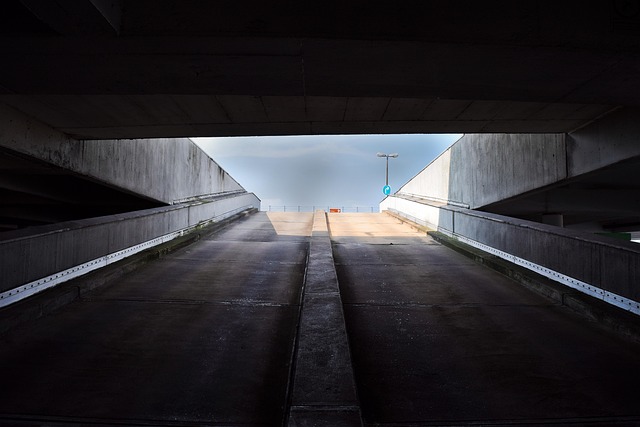
In Driveway installation Boerne TX, understanding rebar requirements is paramount for a durable and safe concrete structure. Rebar, short for reinforced bar, serves as an essential reinforcing element in both driveways and sidewalks, enhancing their strength and longevity. The specific needs for rebar placement vary based on several factors unique to each project, including the size and type of the driveway or sidewalk, soil conditions, load bearing requirements, and local building codes.
For instance, residential driveways in Boerne TX typically require less intense reinforcement than commercial or high-traffic areas. According to industry standards, smaller, lighter vehicles exert approximately 400-500 psi (pounds per square inch) of pressure on concrete surfaces. Therefore, rebar spacing can range from 12" to 18" centers for residential projects, while heavier traffic zones may necessitate closer spacings of 6" to 12". It's crucial to consult with structural engineers or experienced contractors to determine the precise rebar layout, ensuring it aligns with both building codes and engineering calculations.
Proper rebar placement involves more than just following guidelines; it requires a nuanced understanding of material properties and construction techniques. Rebar should be secured at regular intervals using concrete or mechanical anchors, preventing shifting or movement during the curing process. In addition, creating a clear path for rebar within the concrete formwork facilitates efficient installation and bonding between steel and concrete. By adhering to these best practices, Driveway installation Boerne TX projects can achieve superior structural integrity, ensuring safe access for years to come.
Step-by-Step Guide to Effective Sidewalk and Driveway Rebar Placement

Concrete driveway installation Boerne TX requires meticulous rebar placement for structural integrity. Here’s a step-by-step guide to ensure effective sidewalk and driveway rebar placement:
1. Plan and Design: Begin by assessing your project's scope and unique challenges. Consult with a professional to determine the optimal rebar spacing based on load bearing requirements, climate conditions, and local building codes. For example, residential driveways in Boerne TX often require rebar every 12-16 inches for strength against Texas’ occasional frost and heavy traffic.
2. Prepare the Subbase: Before laying rebar, prepare a solid subbase by compacting base material to provide even support. This step is crucial as it ensures that the concrete doesn't crack or settle unevenly later on. A well-compacted subbase also reduces the risk of water penetration and ice damage during cold months.
3. Mark Rebar Placement: Using your design plan, clearly mark where each piece of rebar will go. String lines can be helpful to ensure straight runs and maintain consistent spacing. For example, if using 1" x 4" rebar, place them at 12-inch intervals along both the length and width of the driveway or sidewalk.
4. Install Rebar: Start by placing the first piece of rebar at one end of the area to be concreted, ensuring it’s level and properly supported. Continue installing rebar in a crisscross pattern, keeping each piece straight and spaced evenly according to your design plan. Use concrete staples or ties to secure rebar to the subbase and to each other for added stability. For best results, consider using galvanised rebar for enhanced corrosion resistance in Boerne’s humid climate.
Best Practices for Reinforcing Concrete Surfaces in Boerne's Local Landscape

In Boerne's local landscape, proper rebar placement for concrete driveway and sidewalk installations is paramount to ensure structural integrity and longevity. When undertaking such projects, it's crucial to understand the unique geological and climatic conditions prevalent in the area. Texas, with its hot summers and occasional harsh winters, presents specific challenges. The ground composition, including soil types and moisture content, directly impacts the performance of reinforced concrete. Therefore, a thorough site evaluation is essential before initiating any driveway installation Boerne TX project.
Best practices dictate that rebar should be strategically placed at intervals to withstand the forces exerted by vehicles and environmental factors. For driveways, rebar spacing typically ranges from 12 to 24 inches on center, depending on the expected traffic load. Sidewalks, though generally lighter in usage, may require similar reinforcement to prevent cracking and heaving under varying weather conditions. The depth of installation should also be considered, with deeper placements providing enhanced stability against frost heave during winter months. Local building codes and material specifications must be rigorously followed to ensure compliance and safety standards.
An expert approach involves integrating wire mesh or expanded metal grids as additional reinforcement, particularly in areas prone to high traffic or heavy loads. These mesh systems, when properly bonded with concrete, offer greater tensile strength and prevent concrete from cracking under stress. Moreover, utilizing high-quality rebar with specific grade designations ensures the material's resistance to corrosion, a significant concern in regions with high humidity levels. Regular maintenance checks post-installation can further mitigate potential issues, ensuring the driveway or sidewalk remains structurally sound for years to come.
In conclusion, this article has provided a comprehensive guide to concrete driveway and sidewalk rebar placement, focusing on key considerations for installation in Boerne TX. By understanding rebar requirements, following step-by-step practices, and adopting best local landscape reinforcement techniques, homeowners and professionals alike can ensure durable and strong concrete surfaces. These insights empower readers to successfully navigate driveway installation projects, resulting in long-lasting, visually appealing, and structurally sound outcomes.
Related Resources
Here are some authoritative resources on concrete driveway and sidewalk rebar placement:
- American Concrete Institute (ACI) (Industry Standards): [Offers comprehensive guidelines for structural concrete construction, including rebar placement.] - https://www.aci.org/
- National Institute of Standards and Technology (NIST) (Government Research): [Provides research-based resources on reinforcing bar (rebar) specifications and usage.] - https://nvlpubs.nist.gov/
- ASPHALT Institute (Industry Association): [Supplies expert guidance on pavement construction, including best practices for rebar placement in concrete driveways and sidewalks.] - https://www.asphaltinstitute.org/
- University of Michigan - Concrete Construction (Academic Text) : [A textbook-style resource offering detailed explanations of concrete mix design, reinforcement placement techniques, and structural considerations.] - <a href="https://web.e.umich.edu/~ccen/ConcreteConstruction.pdf" target="blank" rel="noopener noreferrer">https://web.e.umich.edu/~ccen/Concrete_Construction.pdf
- International Association for Bridge and Structural Engineering (IABSE) (Professional Organization): [Features technical papers and case studies showcasing innovative rebar placement techniques in various construction projects.] - https://www.iabse.org/
- Local Building Department (Community Resource): [Contact your local building department for specific regulations, building codes, and permits related to concrete driveway and sidewalk construction, including rebar requirements.] - Check with your local municipality website.
- Construction Pro Tips (Online Forum) (Community Discussion): [A platform where experienced contractors share insights, advice, and troubleshooting tips on various construction topics, including rebar placement best practices.] - https://constructionprotips.com/
About the Author
Meet John Parker, a seasoned Concrete Specialist with over 20 years of experience in rebar placement for both residential and commercial driveway and sidewalk projects. Certified by the American Concrete Institute (ACI), John is renowned for his meticulous designs and structural integrity. As a contributing author to industry leading publications like Professional Contractor Magazine, he shares his expertise widely. His active presence on LinkedIn allows him to connect with fellow professionals, fostering continuous learning and innovative practices in concrete construction.